Mortgage Loans Are Used To Purchase Homes Where You Pay Back The Loan, Typically In A Series Of Regular Payments Over 15, 20 or 30 Years.
First and foremost, most buyers need a Mortgage Loan, and there are a lot of options that vary greatly from lender to lender and from buyer to buyer. This means it's important to understand what you're looking for and talk to lenders who can help you understand what the best approach for you looks like and why!
Selecting The Best Mortgage - What's Most Important:
FHA Mortgage Loans
Designed for homebuyers with a low-to-moderate income, FHA loans are a great option for many people. Qualified homebuyers benefit from a lower down payment requirement (as low as 3.5%), lower monthly premiums, and lower closing costs. It’s an attractive loan for first-time homebuyers or repeat homebuyers with low income or credit.
Understanding FHA Mortgages
Low Down Payment
A down payment on an FHA loan can be as low as 3.5% with a qualifying credit score of 580 or higher. Otherwise, a 10% down payment is required which is still much lower than a conventional loan.
Lower Credit Requirements
FHA loans offer some of the lowest credit requirements of any loan. Mitch's preferred lender allows borrowers to have a credit score as low as 580.
Flexible Debt-to-Income Ratio
A higher debt-to-income (DTI) ratio is allowed with an FHA loan. Borrowers can have monthly debt payments costing up to 50% of their income.
Low Cost Mortgage Insurance
An FHA loan requires mortgage insurance of any borrower who puts a 10% down payment or lower. This insurance cannot be canceled, but it is often lower than traditional private mortgage insurance.
Conventional Mortgage Loans
Conventional loans are the most popular loan type. These are loans that are not offered by the federal government (like FHA or USDA loans). Instead, conventional loans are available only through private lenders such as banks or mortgage companies like Mitch's preferred Lender. The ideal borrower has good credit and has plenty of money for a down payment.
Understanding Conventional Mortgages
Low Down Payment Vs Instant Equity
A conventional loan can be achieved with as little as a 3% down payment. However, if you put 20% down, as is common with a conventional loan, you will have instant equity in you home as soon as you sign at the closing table. This will benefit you in the long run if you refinance or sell your home.
Faster Closing
A conventional loan is much more straight-forward than a government-backed loan. There are less requirements during the underwriting process which allows for a quick closing. At Mitch's preferred lender, it is about 17-21 days!
Fixed Rate or Flexible ARM Rates
A conventional loan is attractive to sellers because it means you have good financial health. Sellers will often choose borrowers with a conventional loan over a government loan since the process is much simpler.
Avoid Mortgage Insurance
If you put a 20% down payment on your home, you will not have mortgage insurance. If you put less than 20% down then you will have to pay mortgage insurance until you have your loan paid down to 78% loan to value
ARM Mortgage Loans
An adjustable-rate mortgage (ARM) allows for an initial interest rate that is lower than traditional mortgage rates. This rate is periodically adjusted based on the market after an initial adjustment period. ARMs are great for homebuyers looking to have lower monthly payments at the start of their loan. Additionally, this loan is great for homebuyers who are looking for a short-term home loan.
Understanding ARM Mortgages
Lower Monthly Payment
An ARM loan will typically allow you to have a lower monthly payment at the start. If your income is low now, but you expect an increase in the future, an ARM may be good for you.
Adjustment Period
ARM loans begin with an adjustment period where your rate does not change. This period is usually 5 years, but it can be as low as 1 year or as high as 10 years. If you plan on living in your home for less time than the adjustment period, you will benefit from a very low interest rate.
Fluctuating Interest Rates
By borrowing a loan with an adjustable rate, your monthly payment will change every year after your adjustment period. If the market rate goes down, so does your payment. The reverse is also true, but often, you will save money over the life of the loan.
More Buying Power
An ARM loan allows you to purchase a larger home. Because interest rates are lower, you will be able to afford the monthly mortgage payments on a more expensive house.
VA Mortgage Loans
VA loans are guaranteed by the U.S. Department of Veteran Affairs and lenders like Mitch's preferred lender who make the loans available to eligible veterans and their families including eligible surviving spouses. A VA loan often has lower closing costs and more liberal terms and requirements. Qualified homebuyers must receive a certificate of eligibility from the U.S. Department of Veteran Affairs for this loan type.
Understanding VA Mortgages
Low Or No Down Payment
In many cases, your VA loan will fully finance your new home. With no down payment required and low closing costs, you can move into your home without a large payment upfront.
No Mortgage Insurance
A VA loan does not require monthly private mortgage insurance like most traditional mortgages. Whether you put down a large down payment or not, you will not have to pay PMI each month.
Maximum Purchase Price
A VA loan allows you to purchase a home worth over $500,000 without an issue. Mitch recently helped a buyer purchase a $950,000 home with a VA Mortgage. Check with your lender to confirm your county’s limit.
Government Guarantee
A VA loan comes backed with a guarantee from the federal government. If you are unable to make monthly payments, you may qualify for assistance from the VA
Piggyback 80/10/10 Mortgage Loans
A “piggyback loan” — also known as an 80/10/10 loan lets you buy a house using two mortgages at the same time. The first mortgage typically covers 80% of the home price, and the second mortgage covers 10% with your down payment covering the remaining 10%.
Understanding Piggyback Loans
Jumbo loans require bigger down payments, higher credit scores and more cash reserves than conforming mortgages do. One strategy to get around the tighter requirements for jumbo loans reduces the loan amount below the conforming limit by obtaining a 2ng mortgage at the same time as the primary mortgage. This lets the borrower meet the criteria of the easier to obtain Conventional vs JUMBO mortgage. Plus, because Lenders often charge higher interest rates for JUMBO loans, using a Piggyback loan can provide access to a lower interest rate while also eliminating PMI.
Getting an 80-10-10 mortgage requires applying for two separate loans: the primary mortgage and the second mortgage. In some cases, you'll need to get the loans from different lenders. Applying for two loans may mean gathering two sets of financial documents, filing two applications and even sometimes going through two closings.
If you have funds available, even before selling your current home, to pay a 10% or 15% down payment then including a Piggyback 2nd Mortgage for the other 5% to 10% of down payment can eliminate the extra PMI fees. Then once you sell your current home you can use the equity from the sale to pay off the 2nd mortgage.
Second mortgage loan interest rates are also likely to carry a higher interest rate than the first. If the rate is substantially different, you may end up paying more for a piggyback loan than you would if you went with a traditional mortgage. Unlike PMI, which can be canceled once your loan value dips below 80% of the home’s value, the second mortgage doesn’t go away until you pay it off
Physician Mortgage Loans
Doctors Only loans were created with doctors or residents in mind. Recent doctoral graduates will find this loan particularly appealing due to the 100% financing options. Qualifying doctors include medical doctors, dentists, and even veterinarians. To find out if you qualify, speak with Mitch's preferred lender.
Understanding Physician Mortgages
Low Or No Down Payment
You may qualify for 100% financing with a Doctors Only Loan, but if not, there are many options available to you based on your financial health and situation.
No Mortgage Insurance
With a Doctors Only Loan, you are not required to pay private mortgage insurance (PMI). This means that your mortgage monthly payments will be lower.
No Down Payment
Many borrowers are qualified for 100% financing through a Doctors Only Loan. Save your money to pay down your student loans instead of putting it towards a down payment.
Fixed Rate or ARM Rate
Like a conventional loan, a Doctors Only Loan is available with a fixed rate or an adjustable rate. Choose the kind of loan rate that is best for your unique situation.
JUMBO Mortgage Loans
A jumbo loan may be the best choice for you if the home you wish to buy is over a certain purchase price or doesn’t conform to loan limits placed on government-backed or conventional loans. The purchase price minimum for a jumbo loan differs in many counties, so it’s important to speak with Mitch's preferred lender to learn more.
Understanding JUMBO Mortgages
Higher Credit Requirements
The minimum credit score allowed for a jumbo loan is 700. Unlike most other loans, a jumbo loan is a higher risk for lenders. That means, the borrower requirements are stricter.
Better Financial Health
If you borrow a jumbo loan, you cannot have a recent bankruptcy or foreclosure on your record. It is also important to keep your debt-to-income ratio below 43%.
Low Down Payment
Jumbo loans can be borrowed with as little as 10% down. These loans will be required to pay private mortgage insurance until they’ve paid 20% of their purchase price.
Emergency Funds
Many lenders will require that you have between 3 and 24 months’ worth of mortgage payments in your savings accounts. This is to ensure that the jumbo loan will not fall into delinquency.
Bridge Mortgage Loans
Most homeowners, who are selling a current home, rely on money they’ll get from the sale of their current home to fund the purchase of a new place.
Understanding Bridge Loans
Equity in your home is the difference between the current market value of your home and what you owe. This gain on the sale of your current home is typically used as the down payment on a new place. A Bridge loan is a short term loan that's typically based on the equity in your current home that can be used to cover your down payment and closing costs on a new home before you have sold your current home.
Bridge Loans, particularly in real estate markets where demand exceeds supply (A Seller's Market) will make a Buyer's offer more favorbale to sellers.
Since lenders have less time to make money on a bridge loan because of their shorter terms, they tend to charge higher interest rates and fees for this type of short-term financing than for conventional loans
Bridge loans may not have monthly payments for the first few months or the payments initially be lower interest only payments. This makes the whole moving process easier because you don't have to worry about two monthly payments on top of moving expenses. More important, it also gives you time to sell your home and pay off the loan without having any monthly payments. Note: Interest fees do accumulate even if you don’t have any monthly payments
The biggest risk with a bridge loan is when your home doesn’t sell by the time you need to begin repaying your bridge loan. Until your old home sells, you’ll will be paying three loans: the mortgages on both the old and new houses and also the bridge loan
Construction Loans
A construction loan is a short-term, specialized loan used to finance the construction or significant renovation of a property. Unlike a traditional mortgage, which is used to purchase an existing home, a construction loan funds the building process itself.
Here's how construction loans generally work
- Disbursement in phases: Instead of receiving a lump sum upfront, funds are released in stages (also called "draws") as construction milestones are met. These draws help ensure the funds are used for their intended purpose.
- Inspections and verification: Lenders typically require inspections at each stage to ensure the work is completed according to the plans and budget before releasing the next draw.
- Interest-only payments during construction: During the construction phase (which typically lasts 12-18 months), you'll generally only make interest payments on the disbursed amount, not the full loan principal.
- Higher interest rates: Construction loans often have higher interest rates than traditional mortgages due to the increased risk for the lender (the property doesn't yet exist as collateral).
- Conversion to a traditional mortgage: Once construction is complete and a certificate of occupancy is issued, the construction loan typically converts into a standard mortgage (a "construction-to-permanent" loan) or needs to be paid off through other financing.
In essence, a construction loan bridges the financial gap between planning and completing a new build or substantial renovation, providing the necessary funds at each stage of the project.
- Less Cash For A Down Payment
And/Or Credit Scores Below 640 - Less Paperwork And Lower Fees
And Closing In Fewer Days - Lower Payments In The First Years
That Can/Will Increase Over Time - Leverage Military Benefits
For A VA Loan & No Down payment - No Private Mortgage Insurance With
Less Than 20% Down PaymentUsing An 80/10/10 Piggyback Loan - No Private Mortgage Insurance With
Less Than 20% Down PaymentAs A New Resident or Doctor - A JUMBO Home Mortgage Loan
That's Greater Than $806,500 - A Bridge Loan... Buying A New Place
Before Selling Your Current Home - Construction Loans... Build A New Place
Or Renovate Your Current Home
What Do Monthly Mortgage Payments Include?
There are four main components to a mortgage payment, often abbreviated as "PITI."
Principal
This is the repayment of the initial amount you borrowed from your lender (in other words, the price of your home less the cash down payment you bring to closing).
Interest
This is a payment to the lender for the money borrowed (and is then added on to the initial price of your home).
Taxes
Your annual city and county taxes assessed on your property are divided by the number of mortgage payments you make in a year and added into your monthly mortgage payment.
Insurance
Your monthly homeowner's insurance payment covers you against various hazards and is added to your mortgage payment. Typically if you purchase with less than a 25% cash down payment, the lender will require that 1/12 of the annual insurance premium is included as part of monthly payment.
Questions & Answers About Your Mortgage Options
Questions And Answers About FHA Loans
What is an FHA loan?
The Federal Housing Administration (FHA) offers loans that they back/insure to protect investors. Because of this backing, FHA loans give homebuyers that might not otherwise qualify, an opportunity to borrow money to purchase a home.
Do I have to make a certain amount of money to qualify for an FHA loan?
There are no specific minimum or maximum income limits to qualify for an FHA loan.
Do FHA home loans require a down payment?
Yes. FHA backed loans require as little as 3.5% down payment. Your down payment can come from gifted funds.
What's the minimum credit score I can have to qualify for an FHA loan?
Of course, the better your credit score, the more likely you can get pre-approved for a loan. The minimum credit score is 580 to qualify for an FHA loan with Mitch's preferred lender
Questions And Answers About Conventional Loans
What is the difference between a Fixed Rate and Adjustable Rate Mortgages?
A fixed rate means your principal and interest payment will not change during the fixed period, but an adjustable rate means your principal and interest payment could increase or decrease depending on market interest rates.
Which is better- a fixed or adjustable rate?
This will usually depend on how long you plan to stay in your current home. If you plan to stay around 7 years or less an adjustable rate mortgage may be for you. Loan officers can give you the best options for your situation.
When do I bring my down payment to buy a house?
You will need to have the funds available before we can submit to final underwriting but you will not bring any money until the day of closing and all funds will go to the title company.
Can I finance my closing costs into my home loan?
Not directly. You can negotiate with the seller in your purchase offer to pay your closing costs or you could select a higher interest rate that offered lender paid closing costs. This is commonly called "seller's concessions".
Questions And Answers About ARM Loans
What is the difference between a Fixed Rate and Adjustable Rate Mortgages?
A fixed rate means your principal and interest payment will not change during the fixed period, but an adjustable rate means your principal and interest payment could increase or decrease depending on market interest rates.
Which is better- a fixed or adjustable rate?
This will usually depend on how long you plan to stay in your current home. If you plan to stay around 7 years or less an adjustable rate mortgage may be for you. Loan officers can give you the best options for your situation.
When can I lock in my interest rate?
You must have a sales agreement with a property identified to lock your rate. We need to also insure that the lock period is long enough to get to the date of closing.
What happens if the interest rates increase before we close on the loan?
As long as your interest rate is locked, then it will never change.
Questions And Answers About VA Loans
What is a VA Mortgage?
VA loans, guaranteed by the U.S. Department of Veterans Affairs and Ruoff Home Mortgage, help service members, veterans, and eligible surviving spouses become homeowners. In fact, there are several VA loans to choose from.
How much of a down payment do I need to make if I'm buying a home with a VA loan?
The best thing about the VA loan is that a down payment is not required. Any money you can put down upfront will help lower your monthly costs, however.
Who is eligible to apply for a VA home loan?
In short, most active military service men and women, veterans and surviving spouses are eligible for VA benefits, including VA home loans.
Can a seller pay the closing costs if I'm buying a house with a VA loan?
Yes. Mitch can usually submit your offer to buy a home, with the seller paying towards your closing costs.
Why do some sellers reject offers that include VA Mortgages?
VA mortgage loans also come with minimum property requirements that can end up forcing home sellers to make many repairs. Because VA appraisals may increase their repair costs, home sellers sometimes refuse to accept purchase offers backed by the agency's mortgages.
Questions And Answers About Physician Loans
What is the minimum credit score I can have?
Your credit score should be higher than 680 to qualify for this loan. It is better to have a credit score over 700, however.
Do my student loans qualify as part of my debt in my debt-to-income ratio?
For the Doctors Only Loan, your student debt is not counted in your DTI ratio. The ratio must be under 45% otherwise.
Can I get this loan if I’m still a medical student?
No, unfortunately two of the requirements for this loan are proof of a medical degree and a signed contract proving that you will start a job as a doctor within 90 days.
Questions And Answers About Piggyback Loans
Are The Interest Rates On The 1st And 2nd Loans a Fixed Rate or an ARM
The interest rate for the first mortgage may be fixed or variable. The interest rate of the second mortgage or home equity loan is typically a higher rate that is usually variable and changes with the level of interest rates in the economy. A variable interest rate can be a disadvantage during a period of rising interest rates or inflation. If your rate rises, so will your loan costs.
Is It More Difficult To Refinance If There Is a 2nd Mortgage In Place
The 80-10-10 loan can be difficult to refinance because the lenders of both the first and second mortgage (assuming they are different) have to agree to the refinancing. You may have an even harder time convincing both lenders to refinance if the value of your home has declined. However, when it's time to refinance, if you can consolidate both loans into one larger loan then it should not be any more difficult to refinance than would otherwise be the case.
Questions And Answers About JUMBO Loans
What is the minimum credit score I can have?
Your credit score should be higher than 680 to qualify for this loan. It is better to have a credit score over 700, however.
What is the minimum purchase price for a jumbo loan?
In 2021, the loan limit reached $548,250 but will likely rise in the coming years. There could be some counties where this limit is higher, so check with Mitch's preferred lender to discuss your individual situation.
Are there any government-backed options for a jumbo loan?
Yes. The U.S. Department of Veterans Affairs may back your jumbo loan if you qualify. Your down payment requirement on this loan could be as high as 25%.
Questions And Answers About Bridge Loans
Is It Easy To Get A Bridge Loan?
Since in a worst case scenario you could end up making mortgage payments on two homes and the same time, to be approved for a bridge loan typically requires strong credit and stable finances. Lenders may set minimum credit scores and debt-to-income ratios. Generally speaking, if your financial situation is shaky, it could be difficult to get a bridge loan
Is a HELOC (Home Equity Line Of Credit) The Same As A Bridge Loan
Similar to a Bridge Loan, a home equity line of credit: Also known as a HELOC, allows you to borrow money against the equity you have in your current home. It’s a bit like a credit card, with an approved line of credit, where you paying interest on the amount you actually use at any given time. HELOC's may have lower interest rates than you would with a bridge loan. To use a HELOC vs a bridge loan typically means obtaining the HELOC approval BEFORE you put your house on the market, since few lenders will approve HELOCs once your house is currently for sale
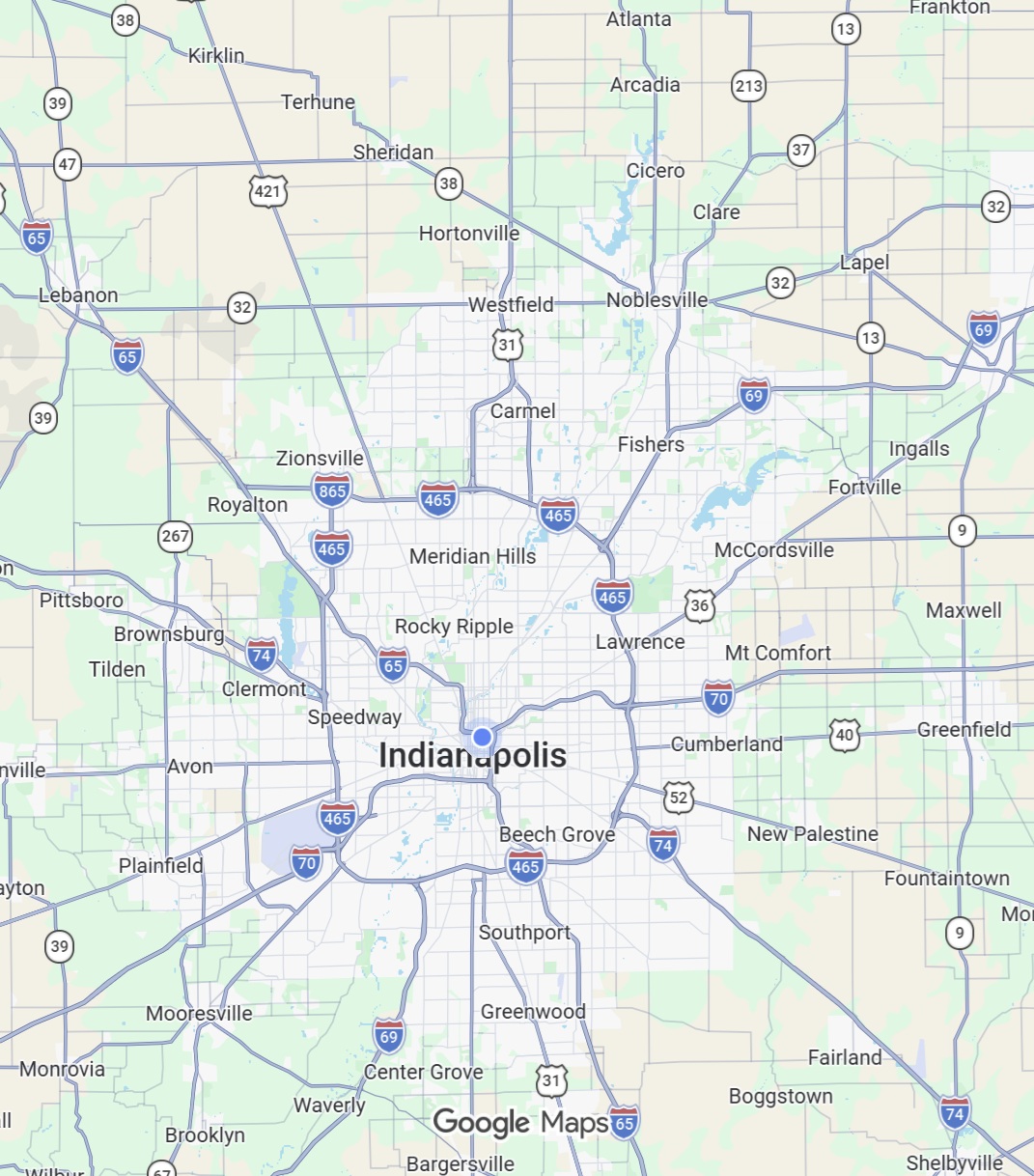
Your Greater Indianapolis Area Buying Resources
If you're considering Buying or Building a Greater Indianapolis Area House, Townhouse or Condominium, then it's time to contact Mitch Rolsky. Understanding the best type of Mortgage loan is just the beginning of the expert advice and knowledge we can use to help you successfully find and buy your next home or investment property.
Contact Mitch Today And Work With Mitch As Your Buyer's Agent!
Ask Mitch About The Value Of A Properties In An Area You Are Considering!
If you're like most home buyers, you want to pay the least amount of money for a property. And, what a property is worth in terms of Market Value, and what it's worth to you as the buyer, could be two very different amounts!
While only the Buyer can decide what it's worth to them, real estate professionals doing an Appraisal or a Market Analysis are sharing their personal opinions on the Market Value at that point in time. Real estate Market Values though are not like a ten-dollar bill that is worth $10 regardless of if it’s crisp and brand new, or if it’s twenty years old, dirty and torn. Neither the condition of the bill in your hand as the buyer, the condition of other ten-dollar bills, nor the location of where you are holding that ten-dollar bill will change its value! If the Market Value of real estate was also this precise and exact, just like the value of a ten-dollar bill, then there would frankly be no need for real estate agents!
Accurately evaluating the value of a house, townhouse, or condominium is a complex calculation that leverages years of experience and expertise like Mitch has, as one of the Top REALTOR's in the Greater Indy area! So let's start at the very beginning - with the RIGHT price! And the best way to find the RIGHT price is to ask Mitch.
1/3 Is About The Property Itself: The Location, Condition, Updates, Bed & Bath Count, Size, Age & All Features
1/3 Is About Similar Places For Sale A Buyer Could Also Buy, At The Same Time, In The Same & Similar Areas
1/3 Is About What Similar Properties, In The Same Or Similar Areas, Have Sold for In The Last 6-12 Months
Learn About 4 Common Ways To Determine The Value Of A Property - The Most Accurate (4 stars) To Least Accurate (1 star)
Comparative Market Analysis (CMA)
By definition a property is worth what a ready willing an able Buyer will pay for the property. That can be and often is an amount that's greater then a bank will accept based on the lender's Appraisal. While Appraisals are considered more objective and authoritative because the appraiser has no stake in the sale, the reality is that even though Appraisers are trained to be objective and unbiased, their methodology is inherently conservative. This often leads to lower valuations especially in fast-rising markets! Appraisers rely on historical, closed-sale data (data-driven) rather than the current or potential future market values, and they will usually err on the side of caution to avoid provided what's viewed as an inflated or risky valuations!
A Comparative Market Analysis (CMA) is an indication of the property’s value based on a detailed and adjusted analysis of the 4-6 most relevant and similar properties that have recently sold in your development and/or nearby.
A good CMA should also increase or decrease the value based on the current market conditions including, interest rates, and the supply and demand at that moment in time. Most real estate agents will perform a CMA before listing a home for sale and great Buyer’s Agents will also complete a CMA when working for a buyer who is considering submitting an offer on a property.
This is an indication of the property’s value based on a detailed and adjusted analysis of the 4-6 most relevant and similar properties that have recently sold in your development and/or nearby.
A CMA should also increase or decrease the value based on the current market conditions including, interest rates, and the supply and demand at that moment in time. Most real estate agents will perform a CMA before listing a home for sale and great Buyer’s Agents will also complete a CMA when working for a buyer who is considering submitting an offer on a property.
This is an indication of the property’s value based on a detailed and adjusted analysis of the 4-6 most relevant and similar properties that have recently sold in your development and/or nearby.
A CMA should also increase or decrease the value based on the current market conditions including, interest rates, and the supply and demand at that moment in time. Most real estate agents will perform a CMA before listing a home for sale and great Buyer’s Agents will also complete a CMA when working for a buyer who is considering submitting an offer on a property.
This is an indication of the property’s value based on a detailed and adjusted analysis of the 4-6 most relevant and similar properties that have recently sold in your development and/or nearby.
A CMA should also increase or decrease the value based on the current market conditions including, interest rates, and the supply and demand at that moment in time. Most real estate agents will perform a CMA before listing a home for sale and great Buyer’s Agents will also complete a CMA when working for a buyer who is considering submitting an offer on a property.
An Appraisal
State-licensed appraisers will walk through a property and write an official appraisal report. While appraisals offer a little protection for buyers regarding the value of a property, the customer for the appraiser is the mortgage lender not the buyers. Banks typically require appraisals when refinancing your home, or getting a mortgage for a new home, to minimize the lender’s risk by making sure the bank is loaning no more than what the property could be resold for if the buyer was unable to repay their mortgage loan.
Instant Online Value Estimators

The Iron Triangle Of Service: Good, Fast, And Cheap -- PICK TWO. You Can Never Have All Three, As The Saying Goes!
Online Value Estimators are Fast and Free... And Free is the ultimate definition of cheap! So, since you can NOT have all three, and these online instant valuations are Fast and Free, then that means these Estimators can NOT also be Good!
There are many real estate and lending websites offering estimators out there. You can use this if you want a general estimate of your home may be worth. While these can help you decide if it’s worth considering selling or refinancing, these sites tend to dramatically undervalue or overvalue property values. So, using these when selling or purchasing a new place could create unrealistically high or unreasonably low expectations that could cost you thousands of dollars as both a seller or a buyer!
Price Per Square Foot Calculations
Price per square foot calculations are often used by sellers, buyers and unfortunately even by many real estate agents to determine the value of a property in comparison to other recent sales. This approach divides the sale or list price by the above ground square feet to arrive at a price per square foot.
If you are comparing to identical floor plans, with identical finishes and features, built at the same time, by the same builder on lots next to each other and both places have continued to have identical updates, then this approach might yield a meaningful value. However, this is rarely the case since price per square foot calculations do not reflect the many differences in properties like, bed and bathroom configurations, land value and location, views, garage spaces, finishes, updates and improvements, the year the place was built or any of the hundreds of differences between homes.
Mitch Refers To This Calculation As Only Pricing Validation, NOT Pricing Valuation!
Once a property CMA has been completed this calculation can be used to determine if a property has been overimproved or is overpriced within the neighborhood, development or area. If the price per square foot, based on a proper CMA, is dramatically higher than similar nearby places then the property is likely overimproved! Additionally if the price per square foot, based on the CMA, is dramatically lower than the price per square foot based on the list price, then the property is likely overpriced.

About Mitch
Mitch leverages his local expertise, combined with his meaningful business and life experiences, and decades of professional leadership and growth in the construction and technology industries to contribute to his success as one of Greater Indy's Top REALTORs.
Mitch is committed to helping change the lives of his clients as they start their next chapter, by making it easier, more enjoyable and more profitable for his clients that design, build, buy, and sell their home, condo, townhouse or investment property!
Get Up To Speed On Your Local Real Estate Market, On The Main Area & Community Pages, For The Greater Indianapolis Area

Select An Indianapolis (Marion County) Area Or Community
To See The Community's Or Area's Main Page And Activity
- Indy’s Downtown Areas
- Indy’s Eagle Creek Areas
- Indy’s Far North Areas
- Indy’s Far Northeast Areas
- Indy’s Far Northwest Areas
- Indy’s Northwest Areas
- Indy’s Mid North Areas
- Indy’s Northeast Areas
Real Buyers, Real Results, Real Reviews...
Protects You From Bad Decisions—Even If It Costs a Sale
What really sets him apart is that he was never afraid to tell us not to buy a house if he didn’t think it was the right fit… He helped us find the right location and builder and caught several mistakes the builder missed that would have resulted in improper flooring installation and HVAC issues…
-
“We felt confident and well-represented throughout the entire process.”
[Read Full Review]
Sachin • CHATHAM HILLS • Westfield
Manages Complex Home Builds For Clients Who Are Not Local
Mitch worked tirelessly on our behalf while we were out of state… visiting the home frequently, taking photos, and identifying issues so the builder could fix them. He went beyond his duty to ensure everything was done correctly.
-
“He went beyond his duty... finding issues and initiating fixes.”
[Read Full Review]
Shreya Shah • Carramore • Westfield
Finds Risks Most Buyers—and Even Inspectors—Miss
Mitch went out of his way to track down HOA information during an estate sale process. He made sure everything was properly understood before we moved forward because he warned us about potential long-term costs if it was mismanaged.
-
“Mitch went out of his way... to make sure everything was being run correctly”
[Read Full Review]
Ryan Wonser • Springmill Villas • Westfield
Wins for Clients in Highly Competitive Markets
Mitch was always available and fully engaged during a very competitive buying process. His guidance and responsiveness helped us move quickly and confidently in a hot market.
-
“He is always available, and really cares about putting in the time to achieve results”
[Read Full Review]
KD • Chatham Arch • Downtown Indianapolis
A Smooth, Fully Supported Experience From Start to Finish
From initial search to closing, Mitch understood our goals, budget, and timeline. His communication, referrals, and attention to detail made the entire process smooth and stress-free.
-
“Mitch Rolsky excels in... all stages of offer, acceptance and closing.”
[Read Full Review]
Matthew and Lea Dacy • Cardinal Pointe • Whitestown
This Client's Experience Of Working with Mitch To Design, Build & Buy A Custom Built Home
Sachin • Chatham Hills • Westfield
"What Really Sets Him Apart Is That He Was Never Afraid To Tell Us Not To Buy A House If He Didn’t Think It Was The Right Fit, Which Truly Shows That He Cares About His Clients’ Satisfaction...
We Had An Excellent Experience Working With Mitch. This Is The Second Home I’ve Purchased With Him, And I’ve Also Referred Him To My Parents, Who Used Him To Buy Their Home As Well.
He Helped Us Find The Right Location And The Right Builder, And Was Outstanding At Helping Us Clearly Define Our Wants And Needs. What Really Sets Him Apart Is That He Was Never Afraid To Tell Us Not To Buy A House If He Didn’t Think It Was The Right Fit, Which Truly Shows That He Cares About His Clients’ Satisfaction And Not Just The Commission.
His Attention To Detail Is Exceptional—He Caught Several Mistakes The Builder Missed That Would Have Resulted In Improper Flooring Installation And HVAC Issues That Could Have Gone Unnoticed. We Felt Confident And Well-Represented Throughout The Entire Process. I Would 100% Recommend Him To Anyone Looking To Buy A Home."
This Client's Experience Of Working with Mitch To Design, Build & Buy A New Home While Being Out Of The State & Country
Shreya Shah • Carramore • Westfield
"Mitch helped us find our new home, working tirelessly on our behalf. He coached us through the home search and buying process, and brought us to a successful close when we found our new home. He absolutely worked in our best interest, even encouraging us to not overspend. He even helped us through out the whole process and helping us to pinpoint to the minute issues so that the builder could resolve it. Mitch’s knowledge of the real estate market, his negotiating expertise, and his integrity in putting our best interest as buyers ahead of his own really set him apart as a standout agent. We would confidently recommend him to friends, family or anyone else seeking a realtor.
Most important, As we were out of state buyers, and building a new home he went beyond his duty by visiting frequently to the house taking photos and finding issues and initiating fixes."
This Client's Experience Of Working with Mitch To Find & Buy A New Home
Ryan Wonser • Springmill Villas • Westfield
"I went with Mitch because my entire family recommended him when we made the move from another state. That says a lot!
Mitch was extremely helpful with so much experience, knowledge and resources to help me through the process. I initially came to him not knowing exactly what I wanted in a home but he knew what questions to ask to help narrow down exactly what I was looking for.
I even flip flopped on what I was looking for a few different times but that didn't seem to matter to Mitch as long as I was happy in the end.
Once I found the condo home that was right for me, we ran into some obstacles when trying to find out about the HOA because the sale was through an estate. As Mitch informed me, this is VERY important because if an HOA is run poorly, you could be hit with big unexpected costs in the future. Anyhow, Mitch went out of his way to track down the info I needed to make sure everything was being run correctly.
When the time comes to sell my home, I'm going with Mitch!"
This Client's Experience Of Working with Mitch To Find & Buy Their New Home
KD • Chatham Arch • Downtown Indianapolis
"My husband and I recently worked with Mitch Rolsky on the purchase of our current home. We greatly appreciated his:
a) extensive knowledge through his many years of experience. This was invaluable to us not only when it came to the housing market but also during the inspection process.
b) work-ethic. He is not your average realtor who doesn't work past normal working hours. He is always available, and really cares about putting in the time to achieve results. We really appreciated this as the market/area we were looking in was very hot and competitive.
Overall Mitch is a realtor that cares deeply about his clients, and in an industry where that is hard to come by, we have been very gratful to have Mitch as our realtor!"
This Client's Experience Of Working with Mitch To Find, Build & Buy Their New Home To Relocate From Out Of State
Matthew and Lea Dacy • Cardinal Pointe • Whitestown
"We are new to the greater Indianapolis area, having moved here from out of state. After a detailed online search, we identified Mitch Rolsky based upon his high-quality website. We contacted him via email and were immediately impressed with his follow-up.
As our plans moved forward, we worked with Mitch throughout the process. Mitch Rolsky excels in the following key attributes: responsiveness to client goals, budget and timeline; knowledge of the area and housing market; top-quality referrals; and attention to detail in all stages of offer, acceptance and closing.
We have already shared our high regard for Mitch with family members and our new neighbors and associates. We would be delighted to work with Mitch Rolsky again and offer our highest recommendation for his service and professionalism."
USE THESE RESOURCES & TOOLS TO HELP YOU MAKE THE RIGHT MOVE IN THE GREATER INDY AREA
Buyers
Thinking of buying a greater Indianapolis home, condominium or townhouse... While it's easy to see the asking price, let Mitch show you what the property should sell for based on other comparable places in your favorite greater neighborhood or development.
Sellers
Thinking of listing your greater Indy home, condominium or townhouse... Are you curious to know what your place should sell for along with the selling prices, days on market, and list price to sales price ratios of other places in your neighborhood, development or area?
- How Is
The Market
Doing?
- Calculate
Mortgage
Payment
- Interest
Rates
Today
- See All
Open
Houses
- Say Goodbye
To The Endless
Searching
- Your
New Place
Critera
- The
Foundation
Mitch's Blog
- Easy
Advanced
Searching
- What's A
Property
Worth
- ToPayEM.com
Earnest Money
& How To Pay
- Mitch's
Preferred
Venders
- Get Better
Interest
Rates
- Indiana
TESLA
OWNERS
- 400 Real
Estate Terms
You'll Hear
Email